
 Products
 Products
LAB DESIGN
Pharmaceutical Lab Design
Key Design Decisions That Impact Compliance, Safety, and Long-Term Performance
Pharmaceutical laboratories operate under some of the most demanding design standards of any built environment. Unlike general research spaces, these facilities must support validated processes, controlled environments, and strict regulatory oversight where small design decisions can have long-term operational consequences.
Poor laboratory design does not simply reduce efficiency. It can lead to failed inspections, contamination risk, workflow disruption, and costly retrofits after commissioning.
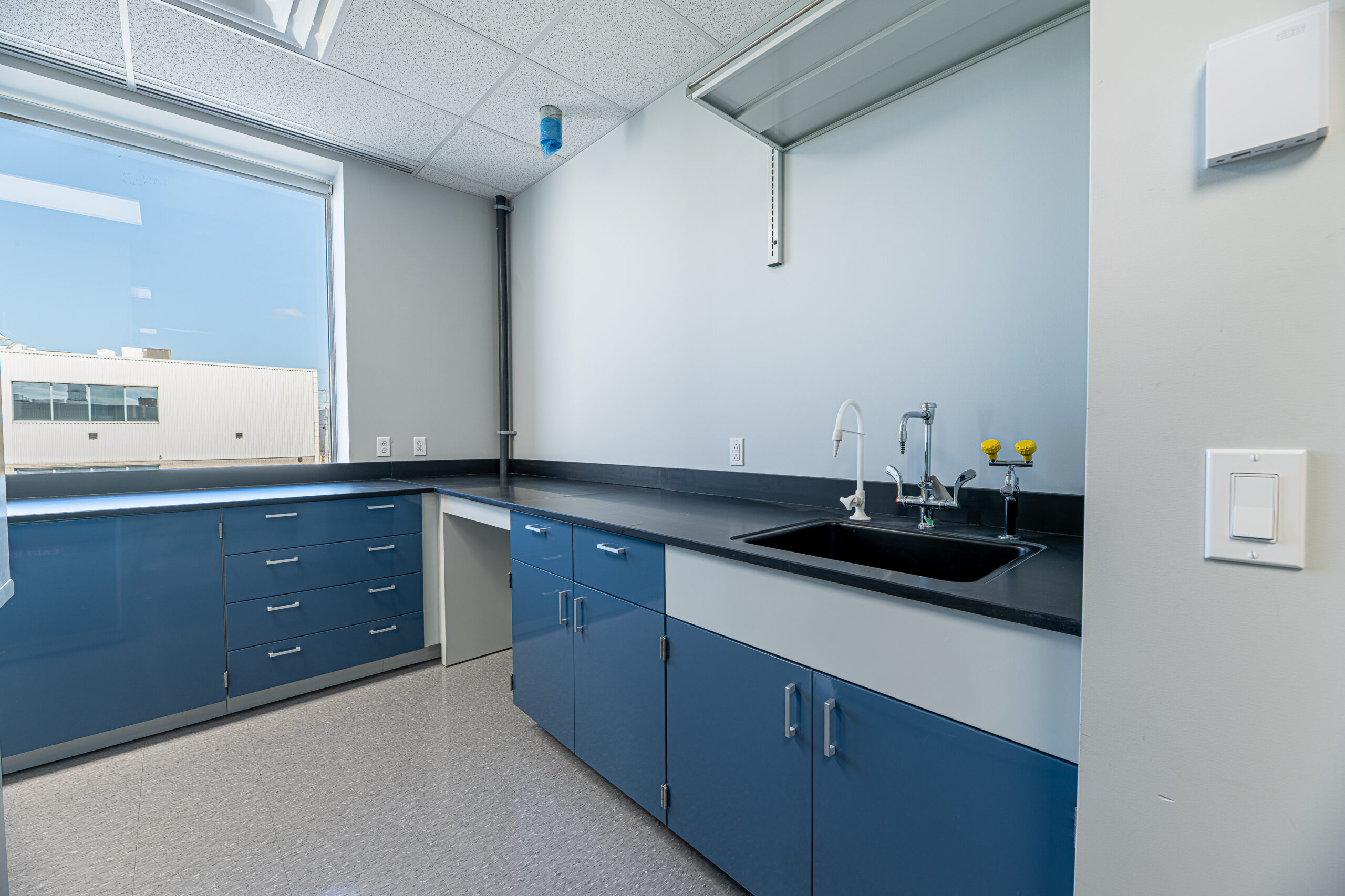
Successful pharmaceutical lab environments are built around three priorities:
- regulatory compliance
- contamination control
- long-term durability and adaptability
Understanding how materials, airflow, and equipment integration work together is essential when planning new pharmaceutical laboratories or upgrading existing facilities.
Pharmaceutical laboratories must align with multiple regulatory and performance frameworks, including:
- Health Canada requirements
- Good Manufacturing Practice (GMP) guidelines
- CSA standards
- ASHRAE ventilation principles
- NIH and EPA testing benchmarks
- Institutional infection prevention protocols
These standards influence far more than documentation. They directly affect physical design decisions such as:
- Surface cleanability and material selection
- Airflow direction and containment strategy
- Equipment placement and accessibility
- Long-term maintenance and validation capability
One of the most common challenges seen in pharmaceutical projects is designing for today’s compliance requirements without considering how processes will evolve over time. Laboratories that lack flexibility often require expensive renovation within only a few years.
Casework forms the structural backbone of a pharmaceutical laboratory. Materials must tolerate aggressive cleaning agents, frequent sanitation cycles, and continuous daily use without degradation.
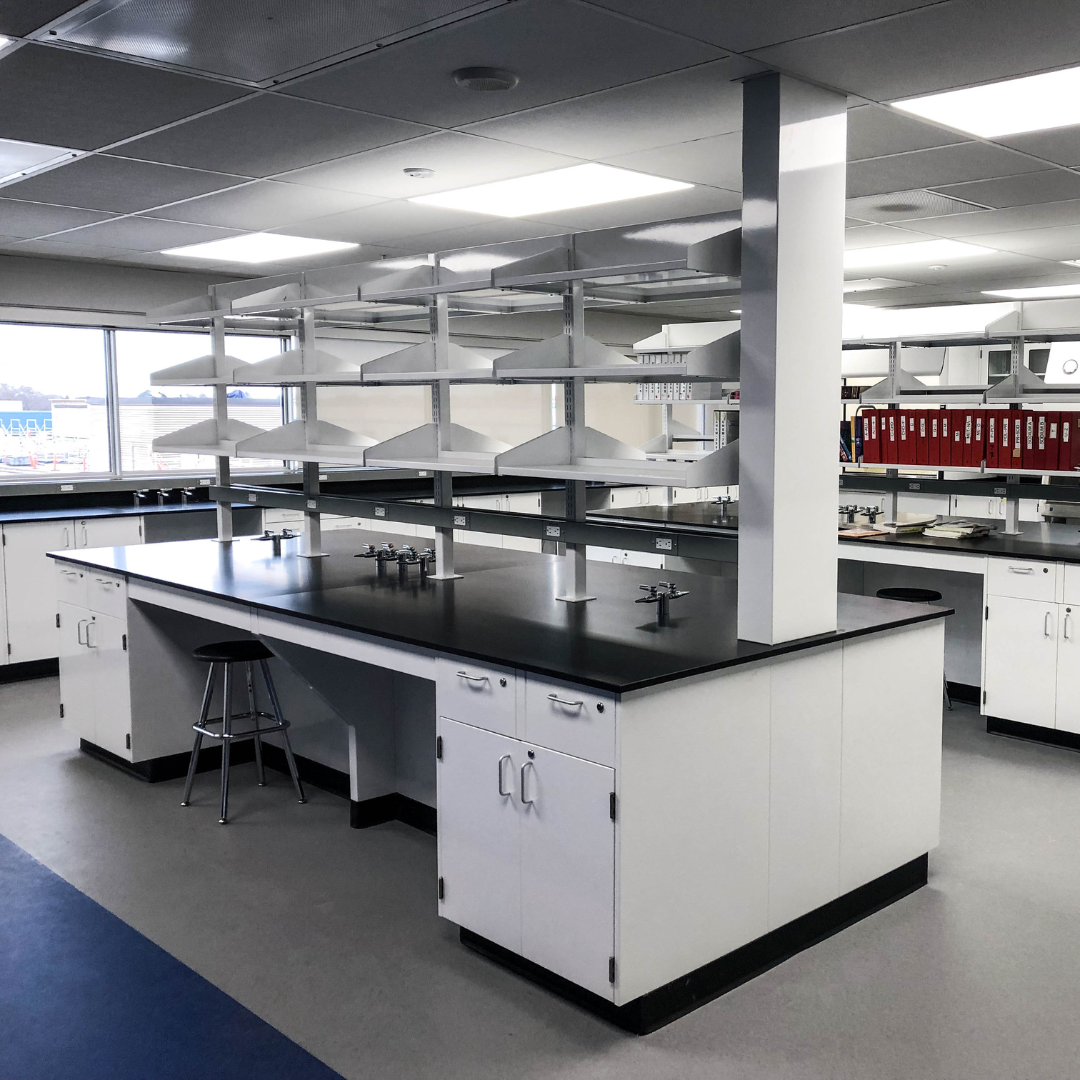
Metal Laboratory Casework
Metal casework systems are widely used across healthcare and pharmaceutical environments because they provide a balance of durability, cleanability, and adaptability.
Key advantages include:
- Thermosetting laboratory-grade epoxy powder coating
- Strong resistance to chemicals and surface wear
- Uniform modular construction
- Interchangeable components for future reconfiguration
Metal systems are often selected for analytical laboratories, quality control spaces, and general pharmaceutical work areas where durability and flexibility are equally important.
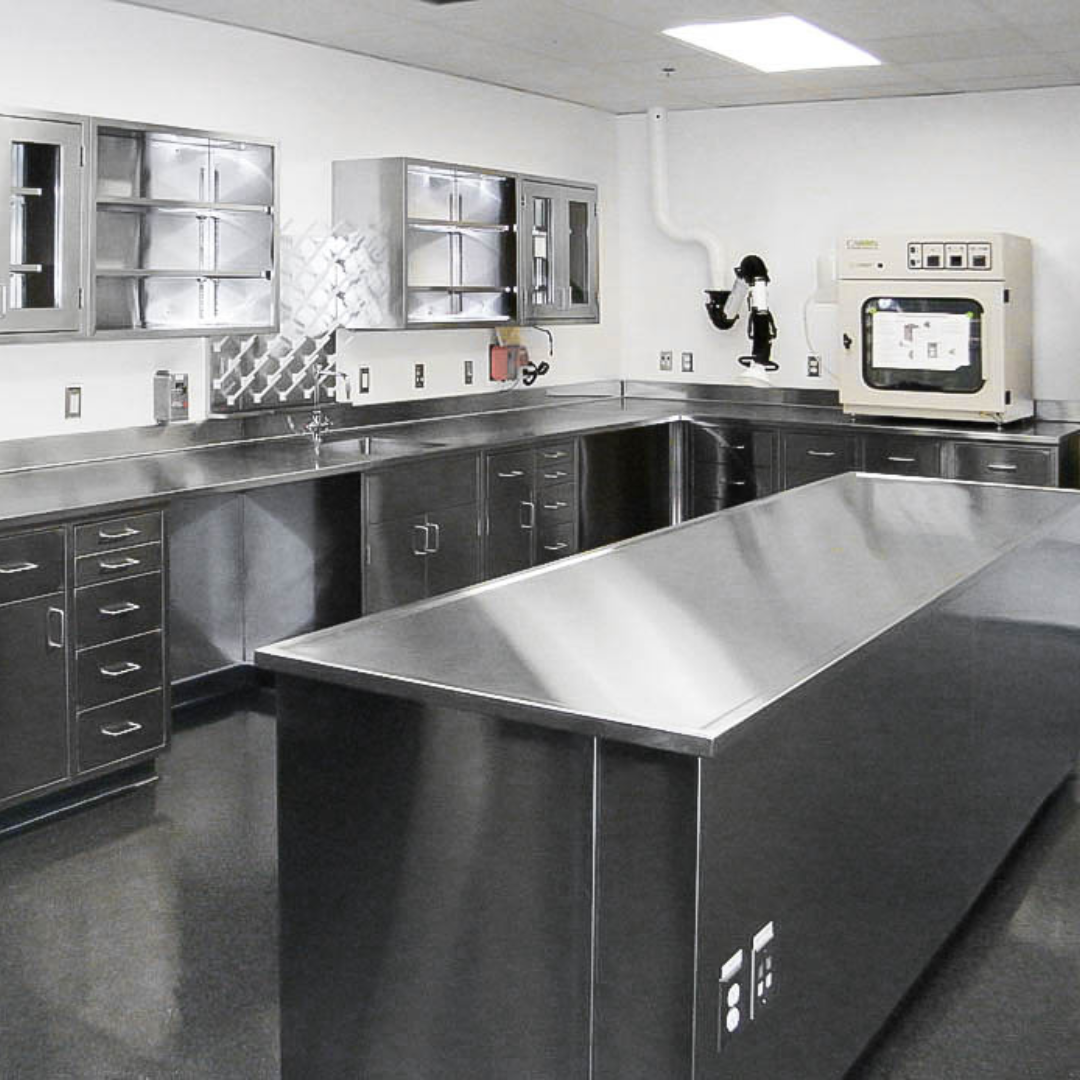
Stainless Steel Casework
In sterile processing areas, compounding rooms, and cleanroom environments, stainless steel casework is frequently required.
T304 and T316 stainless steel cabinets provide:
- Non-porous hygienic surfaces
- Resistance to bleach and aggressive disinfectants
- Corrosion resistance in high-moisture environments
- Long service life under intensive cleaning protocols
Stainless steel becomes especially valuable where contamination control and sterility validation are critical operational requirements.
Work surfaces in pharmaceutical laboratories must maintain structural integrity while resisting chemicals, moisture, and repeated sanitation.
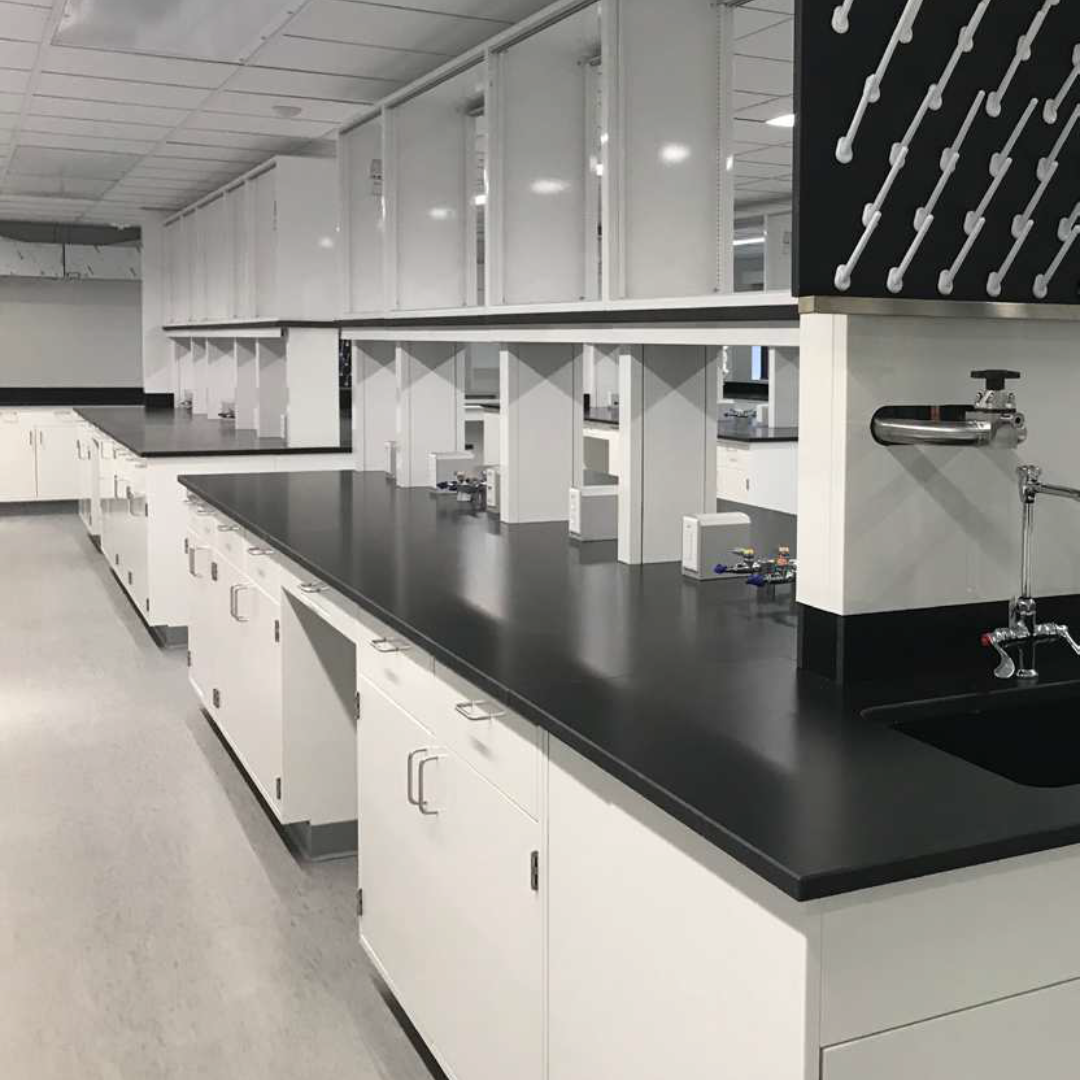
Phenolic Resin Surfaces
Chemical-resistant phenolic countertops manufactured to EN 438-4 Type CGS standards are designed for demanding laboratory environments.
These surfaces offer:
- high chemical resistance
• impact durability
• hygienic non-porous construction
• long-term performance under heavy use
Phenolic surfaces are commonly used in pharmaceutical R&D and analytical laboratories where durability and cost efficiency must coexist.
Stainless Steel Work Surfaces
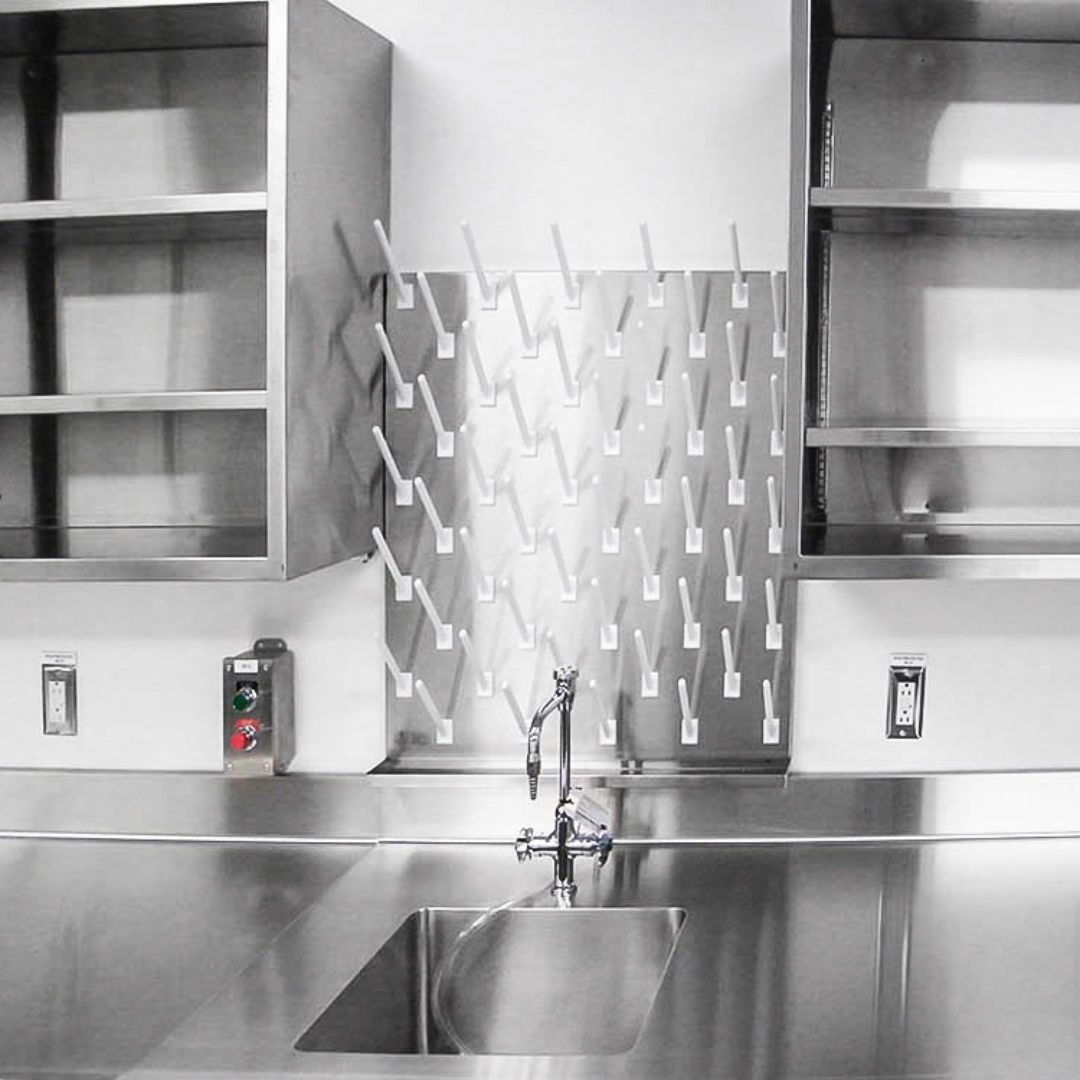
Where sterility is the primary concern, stainless steel countertops are often preferred.
Available in T304 and T316 grades, stainless surfaces are commonly installed in:
- compounding laboratories
• cleanrooms
• sterile processing environments
Selecting between phenolic and stainless steel typically depends on sanitation intensity, exposure conditions, and regulatory requirements rather than aesthetics alone.
Air management is one of the most critical components of pharmaceutical laboratory design. Proper containment protects both personnel and product integrity.
High-Performance Fume Hoods
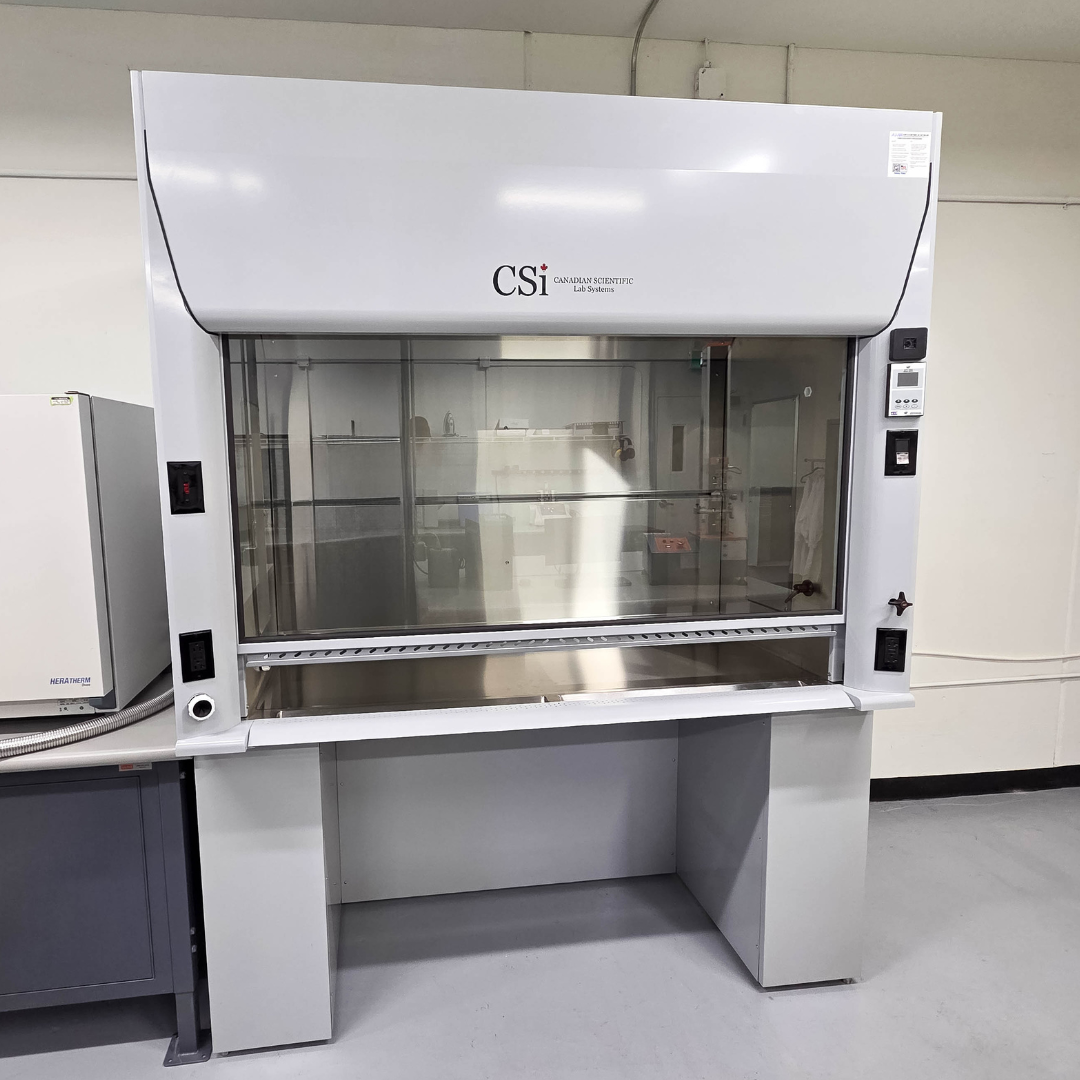
Modern pharmaceutical laboratories rely on fume hoods that maintain containment while supporting energy efficiency goals.
Canadian Scientific’s Solution Fume Hood is engineered for both constant volume (CV) and variable air volume (VAV) systems and has passed ASHRAE 110 testing at 100 FPM and 60 FPM full open conditions.
Design features include:
- radiused airfoil design for smooth airflow
• unobstructed viewing area for operator visibility
• performance-focused airflow geometry
Proper hood selection and integration help prevent airflow disruption that can compromise containment performance.
Laminar Flow and Clean Bench Systems
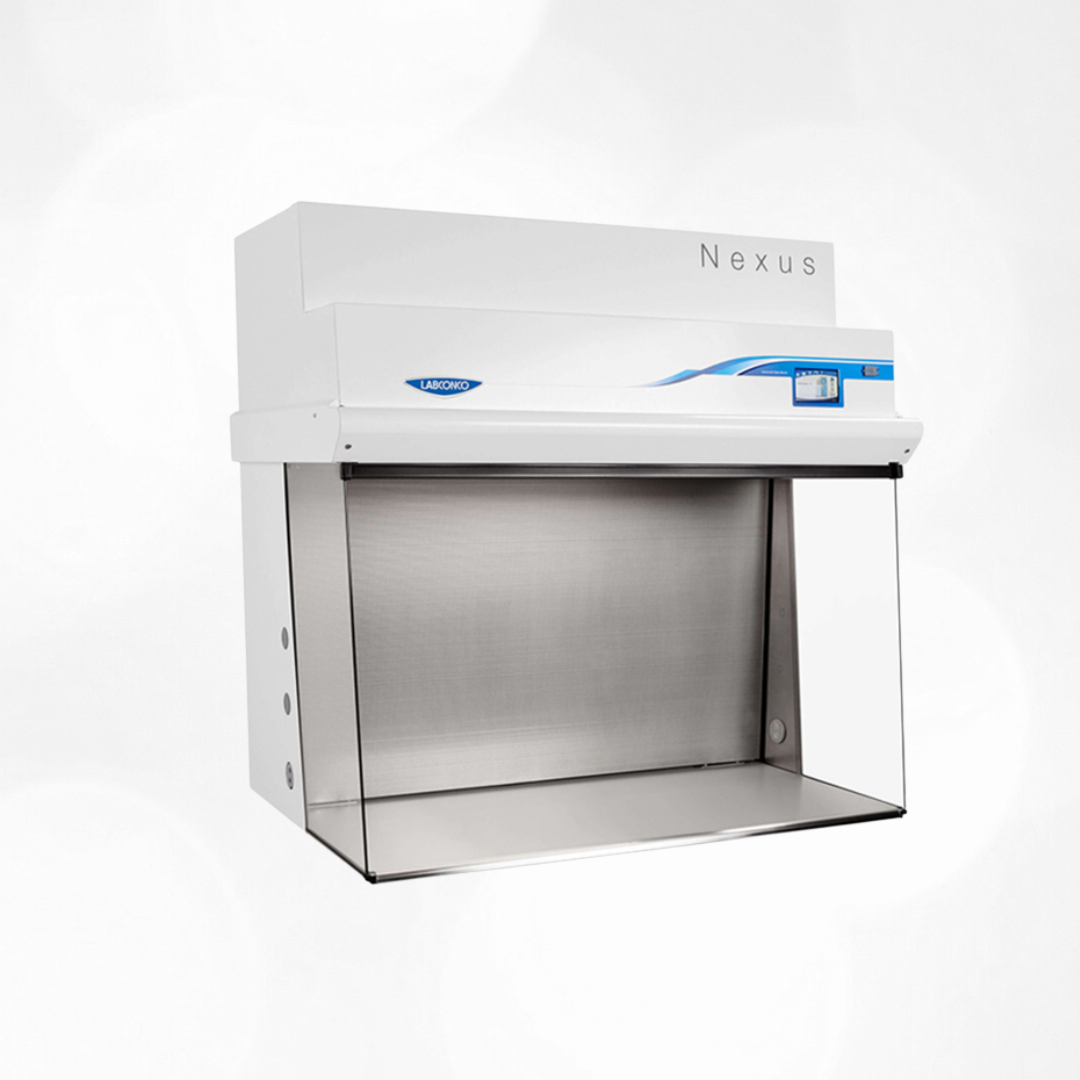
Many pharmaceutical processes require ISO-class clean environments.
Laminar flow systems provide filtered airflow for product protection applications such as:
- pharmacy compounding
• media preparation
• PCR workflows
• medical device assembly
It is important to note that clean benches protect the product, not the user, and should not be used with hazardous biological materials.
Biologics research and pharmaceutical testing frequently require biosafety cabinets designed to maintain operator and environmental protection.
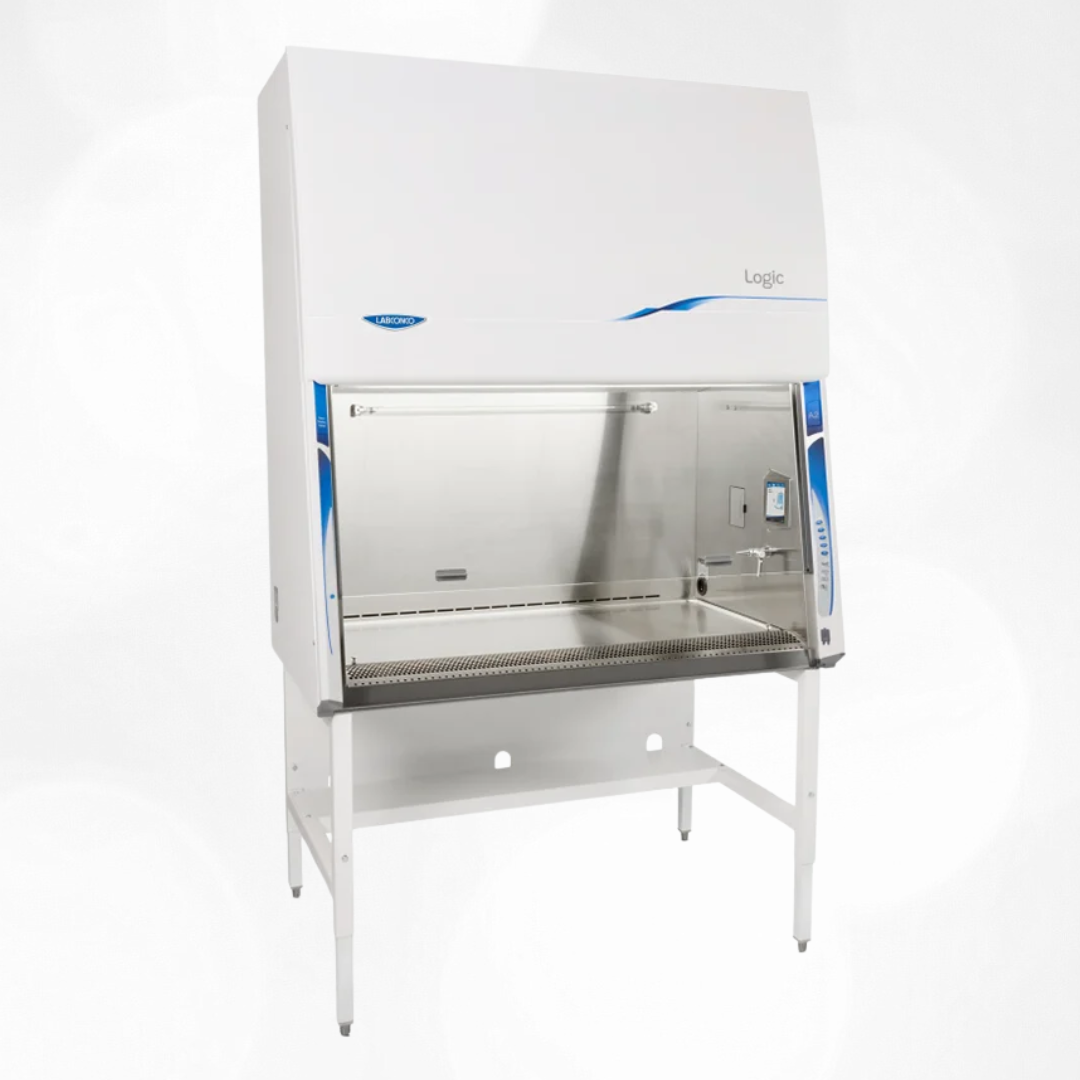
Labconco’s Logic and Prism biosafety cabinets provide:
- HEPA filtration systems
• Constant Airflow Profile (CAP™) technology
• unitized construction for durability
• dished work surfaces for simplified decontamination
• real-time monitoring through MyLogic™ OS
Correct cabinet selection ensures containment integrity while supporting ergonomic workflow.
Epoxy resin sinks are commonly selected in pharmaceutical laboratories due to their durability and chemical resistance.
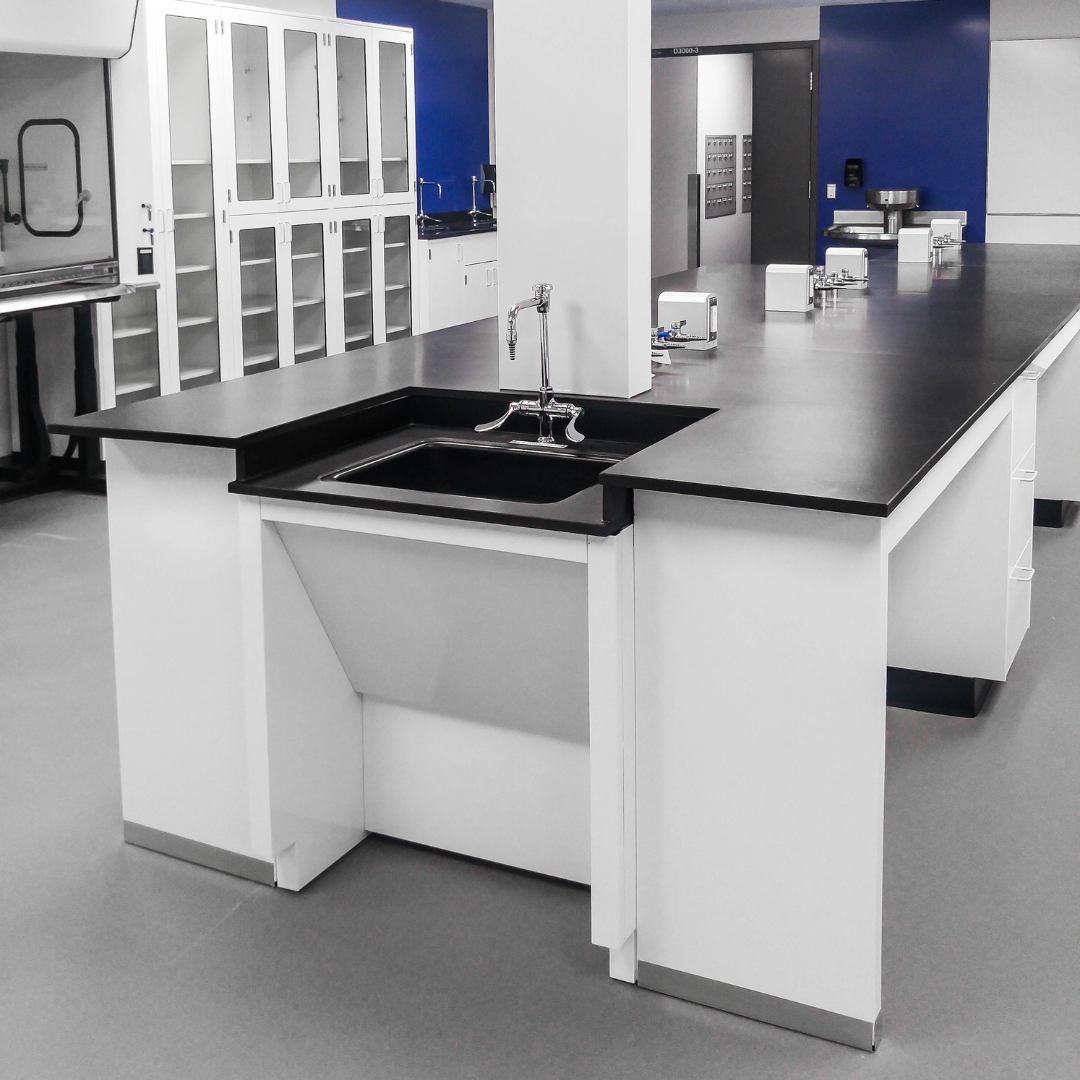
Durcon and Simmons epoxy sinks offer:
- Resistance to aggressive acids and solvents
- Non-flammable construction
- Non-absorbent hygienic surfaces
- Vibration damping properties
- Multiple installation configurations
These sinks are particularly effective in laboratories performing chemical processing or sterilization procedures where long-term material stability is essential.
Our Experience Supporting Canadian Pharmaceutical and Healthcare Facilities
Canadian Scientific Lab Systems has supported pharmaceutical and healthcare laboratory projects across Canada, working alongside contractors, designers, and institutional stakeholders to deliver compliant and durable laboratory environments.
RECENT PROJECTS INCLUDE:
Surrey Memorial Hospital, British Columbia
Laboratory expansion featuring metal casework, Titan box cores, wall rail systems, hanging cabinets, and chemical-resistant countertops.
Project value: $150,000 to $200,000 CAD.
Candoo Pharmatech, Ontario
Installation of laboratory ventilation equipment, specialty storage, modular workstations, phenolic surfaces, and integrated sink systems supporting pharmaceutical workflows.
Project value: $200,000 to $250,000 CAD.
Johnson & Johnson Canada, Ontario
Supply and installation of metal laboratory casework and chemical-resistant phenolic countertops for regulated laboratory space.
Project value: $25,000 to $35,000 CAD.
Health Canada
Toronto General Hospital
SickKids Hospital
McMaster Hospital
Public Health Agency of Canada
St. Boniface Hospital
Sunnybrook Hospital
Queen Elizabeth Hospital
Public Health Agency of Canada • BC Cancer - Victoria
Windsor Regional Hospital
Kootenay Lake Hospital
North York General Hospital
- and many more.
Final Thoughts: Designing Pharmaceutical Labs for Long-Term Success
Effective pharmaceutical laboratory design requires coordination between materials, airflow engineering, equipment integration, and regulatory understanding.
When these elements are planned together from the beginning, laboratories achieve:
- Consistent compliance performance
- Safer working environments
- Improved operational efficiency
- Reduced lifecycle renovation costs
Pharmaceutical laboratories are long-term investments. Choosing durable systems and experienced partners early in the design process helps prevent costly corrections later.
If you are planning a new pharmaceutical laboratory or upgrading an existing facility, our team can review drawings or specifications and help identify potential compliance, durability, or workflow considerations before tender.
Contact Canadian Scientific Lab Systems to discuss your upcoming project.
Free Resource: Lab Planning Checklist for Canadian Facilities
Be sure to consider every detail, from surface materials to mechanical integration. Download our free “Lab Planning Checklist for Canadian Facilities.” Inside, you’ll find a pre-installation checklist for architects and lab managers.
Return to Blog Main Page
Advance your research with full confidence in your lab.