
 Products
 Products
LAB PROCUREMENT
Choosing Your Lab Surface Material: A Practical Guide for Canadian Laboratories
Before a single experiment begins, before equipment is installed, before a lab becomes operational, there is one decision that quietly shapes everything that follows: What surface will your lab be built on?
It is easy to overlook countertops during planning. They sit beneath the work, supporting everything without drawing attention. But over time, they take on the full weight of daily use. Chemicals, heat, cleaning cycles, impacts, and constant activity all meet the same surface, day after day.
Choosing the right lab surface is not about picking the “best” material. It is about choosing the right material for the way your lab actually operates.
At Canadian Scientific Lab Systems, we help laboratories across Canada make this decision every day. Here is how to approach it with clarity and confidence.
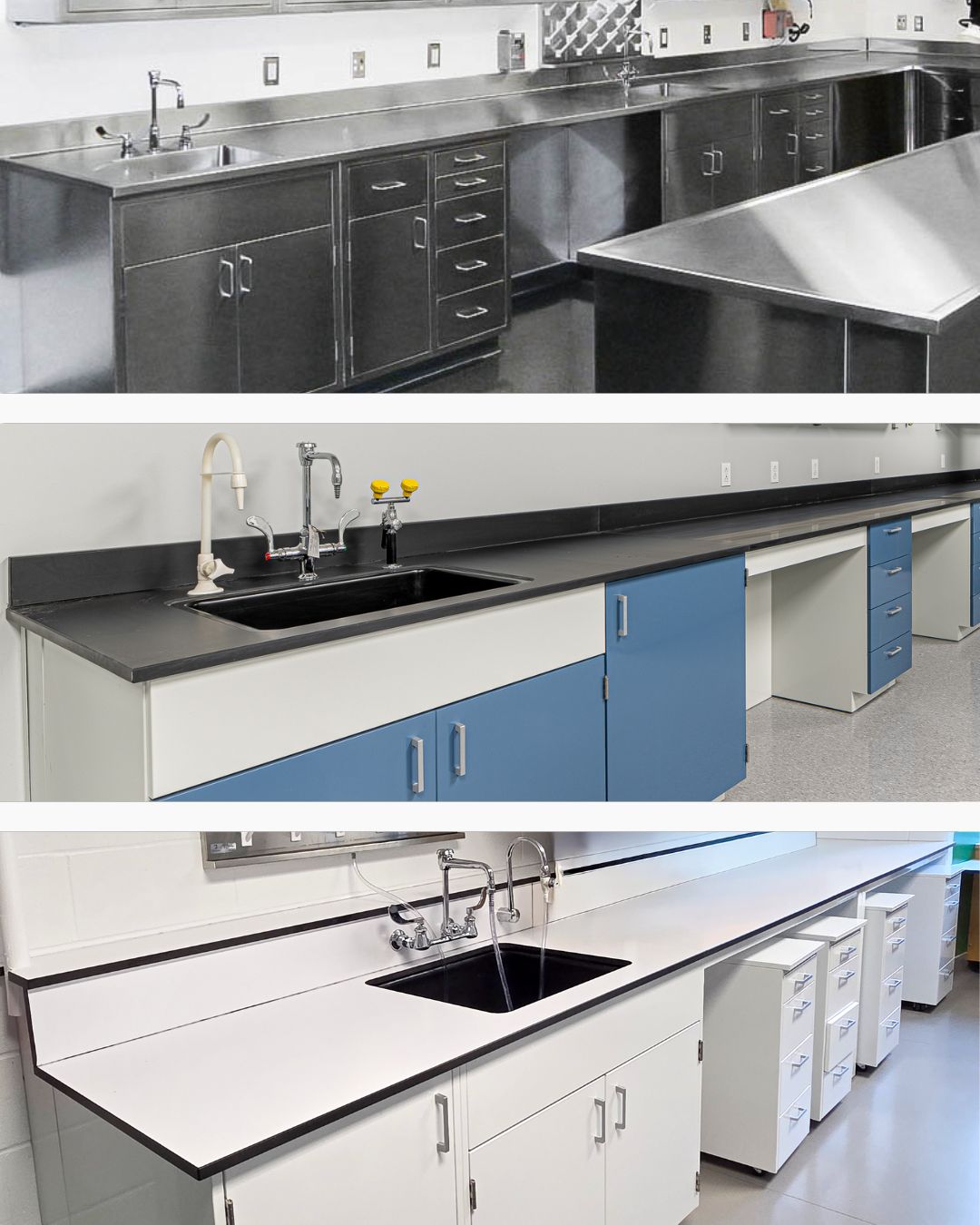
Start With Function, Not Material
Many projects begin by asking, “Should we use epoxy or phenolic?” A better question is:
What will this surface need to withstand every day?
Consider:
- What chemicals are being used
- Whether high heat is involved
- How frequently surfaces are cleaned and with what agents
- Whether hygiene or sterility is critical
- The level of physical wear and impact
Once those answers are clear, the right material becomes much easier to identify.
Epoxy Resin: Built for High-Demand Environments
Epoxy has long been considered the benchmark for laboratory-grade surfaces, particularly in environments where performance cannot be compromised.
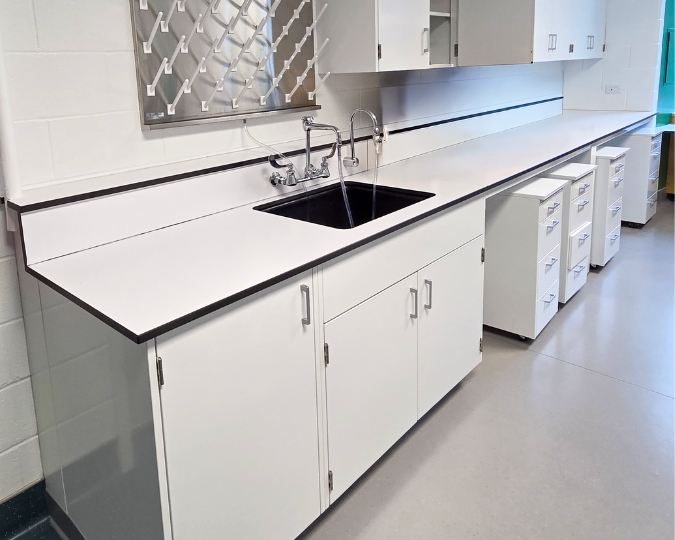
Where Epoxy Performs Best
- Chemical-intensive laboratories
- High-heat applications
- Heavy-use research environments
- Government and industrial testing labs
What Makes It Valuable
Epoxy offers exceptional resistance to chemicals, heat, and moisture. It performs reliably across a wide range of applications and is known for its long lifespan in demanding environments.
Durcon® Epoxy Resin
Durcon® molded epoxy resin work surfaces are the industry standard for high-performance laboratory environments. Engineered for exceptional chemical resistance and durability, Durcon surfaces are Greenguard certified for indoor air quality and tested to SEFA standards for chemical, thermal, and physical performance. Custom fabricated to your specifications, Durcon epoxy is a reliable solution for labs requiring long-term resilience under demanding conditions.
What to Consider
Epoxy is one of the heavier and more expensive surface options. It can also show signs of wear over time such as scratching or discoloration from UV exposure. While these changes are often cosmetic, they can affect the appearance of the lab.
When durability under extreme conditions is the priority, epoxy remains a strong and proven choice.
Phenolic Resin: A Balanced, Modern Solution
Phenolic surfaces have become increasingly popular across Canadian laboratories, offering a strong balance between performance, cost, and flexibility.
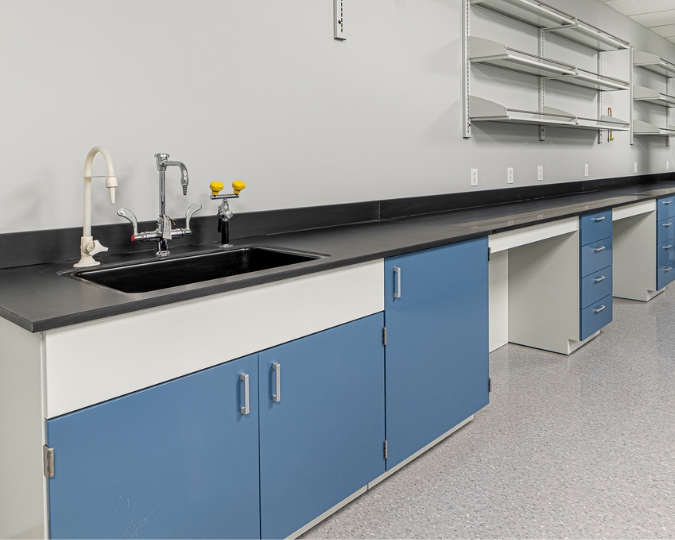
Where Phenolic Performs Best
- University and academic labs
- Pharmaceutical and healthcare environments
- General research and testing labs
- R&D facilities
What Makes It Valuable
Phenolic surfaces provide excellent chemical resistance and strong durability while being more lightweight and easier to fabricate than epoxy. They are also typically more cost-effective and faster to produce, making them ideal for projects with tighter timelines.
Across Canada, institutions such as Queen’s University, Dalhousie University, and the University of Waterloo, along with companies like Johnson & Johnson, and Evolve Bio, have adopted phenolic surfaces in their labs.
At Canadian Scientific, we have installed phenolic countertops in laboratories nationwide because they offer a reliable, versatile solution that meets the needs of modern lab environments.
Fundermax Max Resistance² Phenolic
Fundermax Max Resistance² is an advanced chemical-resistant phenolic surface designed for modern laboratory environments. Manufactured under high pressure and temperature to EN 438-4 standards, this high-performance HPL features a double-cured polyurethane acrylic coating for superior resistance to chemicals, scratches, and wear. Easy to clean, disinfect, and fabricate, Max Resistance² offers a durable, customizable solution that extends the lifecycle of your laboratory work surfaces.
What to Consider
Not all phenolic surfaces are created equal. While standard phenolic materials can be more sensitive to heat and long-term wear in demanding environments, Fundermax Max Resistance² is engineered to overcome many of these limitations.
With its advanced double-cured polyurethane acrylic surface, Max Resistance² offers enhanced resistance to chemicals, scratches, and daily wear, along with excellent cleanability and durability. It is specifically designed for laboratory applications, making it a more reliable and longer-lasting phenolic solution compared to conventional options.
For labs seeking the performance of phenolic without compromising on durability or longevity, Fundermax Max Resistance² is the recommended choice.
Stainless Steel: Where Hygiene Comes First
In environments where cleanliness is critical, stainless steel stands apart.
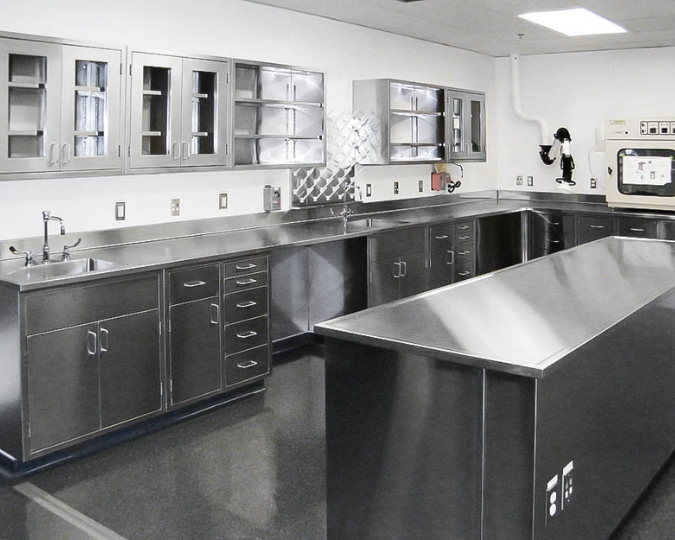
Where Stainless Steel Performs Best
- Healthcare and hospital labs
- Veterinary laboratories
- Cleanrooms
- Food and pharmaceutical testing environments
What Makes It Valuable
Stainless steel is non-porous, easy to sanitize, and highly resistant to moisture. It performs exceptionally well in environments that require strict hygiene standards and frequent cleaning.
Inter Dyne Systems Stainless Steel
Inter Dyne stainless steel countertops provide a hygienic, durable solution for laboratories where cleanliness and moisture resistance are critical. Constructed from 16-gauge type 304 stainless steel with a polished #4 finish, and available in type 316 for more demanding environments, these surfaces are built for strength and easy maintenance. Customizable with integrated sinks and backsplashes, Inter Dyne systems support efficient, safe, and long-lasting lab performance.
What to Consider
Stainless steel typically comes at a higher upfront cost and can be prone to scratching or denting over time. These marks usually do not affect performance but may impact appearance.
When sterility and cleanability are non-negotiable, stainless steel is the right choice.
What About Plastic Laminate?
Plastic laminate is sometimes considered for budget-conscious projects, but in most laboratory environments, it falls short.
While it offers a lower upfront cost, it is:
- Highly susceptible to moisture damage
- Limited in chemical resistance
- Prone to delamination and wear
We have seen many facilities replace laminate surfaces shortly after installation due to performance issues.
At Canadian Scientific, we recommend investing in higher-grade materials that will perform reliably over time.
Real-World Insight: Why Material Choice Matters
We have worked with labs across Canada that initially selected materials based on cost alone, only to face early replacement, performance issues, or maintenance challenges.
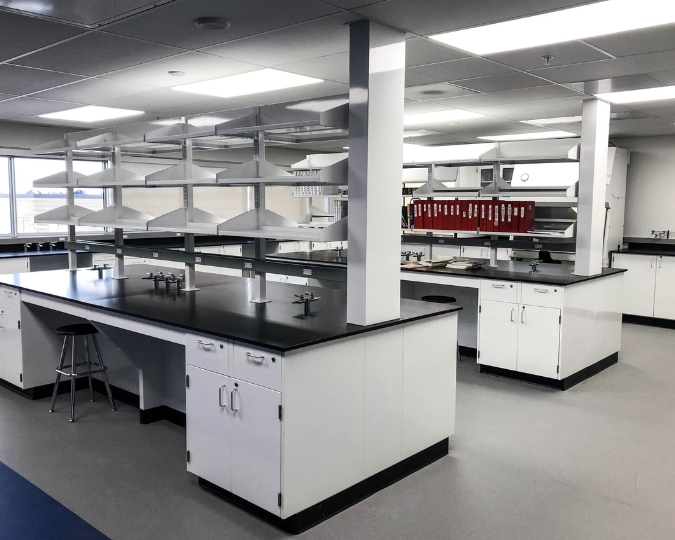
On the other hand, labs that align material selection with actual use cases consistently see:
- Longer lifespan
- Fewer repairs
- Better performance
- Lower long-term costs
The right choice upfront prevents unnecessary expenses later.
Free Resource: Lab Planning Checklist for Canadian Facilities
Be sure to consider every detail, from surface materials to mechanical integration. Download our free “Lab Planning Checklist for Canadian Facilities.” Inside, you’ll find a pre-installation checklist for architects and lab managers.
Contact us today to learn how Canadian Scientific can maximize your laboratory design and future-proof your investment!
Return to Blog Main Page